Source pp erosion control geobags for Slope Protection
Source pp erosion control geobags from 29 verified listings. Compare specifications including PP and PET materials, UV resistance, and custom sizes for flood control, retaining walls, and slope greening applications; compare the available evidence and request quotations based on your requirements.
Key considerations
Products List


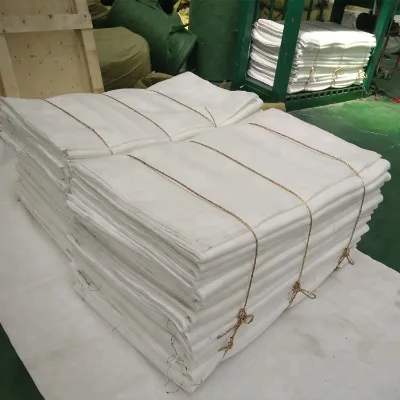
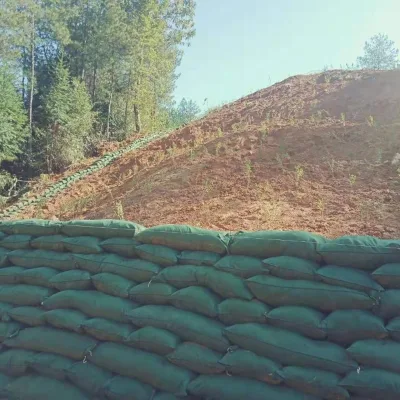

Comprehensive Sourcing Guide
pp erosion control geobags Sourcing Guide
Procuring pp erosion control geobags requires a clear understanding of the specific material composition and structural integrity needed for effective slope stabilization. The observed market listings indicate that these products are primarily manufactured from polypropylene or PET, offering a balance between high tenacity and flexibility. Buyers must distinguish between non-woven and woven variants, as the construction method directly influences the bag's ability to retain soil and withstand hydraulic pressure during flood control operations.
Selection criteria should prioritize the functional attributes observed in current listings, such as oxidation resistance and UV stability, which are critical for long-term outdoor performance. The available data suggests that these geobags are designed for applications ranging from retaining walls to slope greening and mine repair. A thorough evaluation of the raw material quality ensures that the final product can handle loads exceeding 25kg while maintaining its shape under varying environmental conditions.
Product Scope and Observed Listing Signals
The product scope for pp erosion control geobags encompasses a wide range of dimensions, with standard sizes frequently listed as 40x80cm, 45x90cm, or fully customized to project specifications. Listings reveal that these bags are often marketed under keywords like "Geobag" or "High-Tenacity Polypropylene Geotextile Bag," indicating their specialized role in civil engineering and environmental protection. Buyers should verify that the specific model numbers, such as ZL-TGBD or BS geobag, align with the structural requirements of their intended construction site.
Commercial signals in the market show a diverse range of weights, from 80g/m² to 800g/m², allowing for tailored solutions based on the severity of erosion risks. The observed price range of 0.14 to 10.88 USD reflects variations in material density, size, and customization levels. Procurement teams must carefully match the weight and size specifications to the expected load-bearing needs, ensuring that the selected geobags provide adequate protection against water flow and soil displacement without unnecessary cost overruns.
Technical Specifications to Verify
Technical verification must begin with the material composition, specifically confirming whether the geobags are made from PP or PET, as this dictates their chemical resistance and longevity. The observed data highlights that high-tenacity polypropylene is a common choice, offering superior strength for flood control and retaining wall applications. Buyers should request detailed tensile strength reports to ensure the material can withstand the mechanical stresses imposed by heavy soil loads and dynamic water pressures.
Dimensional accuracy and surface texture are equally critical, with listings noting rough surfaces and specific size constraints like 80x40cm or 60x45cm. The standard load capacity of above 25kg is a key performance metric that must be validated through independent testing or certified factory data. Additionally, the UV resistance rating, often cited as 90% in high-quality listings, should be confirmed to guarantee that the geobags will not degrade prematurely when exposed to direct sunlight during the construction phase.
Compliance and Safety Documentation
Compliance documentation for pp erosion control geobags typically includes ISO9001 and ISO14001 certifications, which verify the manufacturer's commitment to quality management and environmental responsibility. These certifications are essential for ensuring that the production processes meet international standards for consistency and safety. Buyers should request valid certificates from the supplier to confirm that the facility adheres to rigorous quality control protocols throughout the manufacturing lifecycle.
Safety and regulatory compliance also extend to specific regional standards, such as CE certification, which indicates conformity with health, safety, and environmental protection standards for products sold within the European Economic Area. While some listings mention GB/T17638-2017, buyers must verify if this standard applies to their specific project requirements or if alternative local standards are necessary. Ensuring that all documentation is up-to-date and authentic mitigates the risk of regulatory non-compliance and potential project delays.
Cost Drivers and Commercial Terms
Cost drivers for pp erosion control geobags are primarily influenced by the raw material prices, the weight of the fabric, and the degree of customization required for specific project dimensions. The observed minimum order quantity (MOQ) ranges from 1,000 to 30,000 units, which significantly impacts the unit price and overall procurement budget. Buyers should negotiate based on volume tiers, as larger orders often yield more favorable pricing structures and better terms for shipping and handling.
Commercial terms also include packaging specifications, with options ranging from woven bags to standard export packages and belts. The availability of free samples is a notable feature in the market, allowing buyers to physically inspect the product quality before committing to a large order. However, procurement teams must clarify the lead times and shipping costs associated with these samples, as well as the specific payment terms required to secure the production schedule and ensure timely delivery to the construction site.
Supplier Qualification and Quality Control
Supplier qualification should focus on verifying the manufacturer's production capacity and their ability to maintain consistent quality across large batches. The observed listings indicate that many suppliers offer customization services, but buyers must ensure that the customization process does not compromise the structural integrity of the geobags. It is advisable to audit the supplier's facility to confirm that they have the necessary machinery and expertise to produce high-tenacity polypropylene bags that meet the specified load and weight requirements.
Quality control measures must be rigorous, including checks on the raw materials, weaving process, and final product dimensions. Suppliers should provide evidence of their quality assurance processes, such as regular testing for UV resistance and tensile strength. Buyers should also inquire about the supplier's track record in delivering geobags for similar applications, such as slope greening or inland river improvement, to gauge their reliability and experience in handling complex civil engineering projects.
Long-Term Procurement Checks
Long-term procurement checks involve establishing a framework for ongoing quality assurance and performance monitoring of the pp erosion control geobags. Buyers should implement a system for periodic sampling and testing of delivered goods to ensure that the products continue to meet the agreed-upon specifications over time. This proactive approach helps identify any potential deviations in material quality or manufacturing processes before they lead to significant project issues or failures.
Additionally, maintaining a strong relationship with the supplier is crucial for addressing any future needs or adjustments in project requirements. Buyers should regularly review the supplier's performance against key metrics such as delivery times, defect rates, and responsiveness to quality concerns. By fostering a collaborative partnership, procurement teams can ensure a steady supply of high-quality geobags that support the long-term stability and safety of erosion control and slope protection initiatives.
FAQs
What materials are used for pp erosion control geobags?
These geobags are primarily manufactured from high-tenacity polypropylene (PP) or PET raw materials. The fabric is available in both non-woven and woven forms, offering options for different filtration and strength requirements. This material selection ensures durability and resistance to environmental degradation during long-term deployment.
Can these geobags be customized for specific projects?
Yes, customization is available for size, weight, and material type. Standard dimensions include 40x80cm or 45x90cm, but custom sizes can be produced to meet specific engineering needs. Buyers can also select between non-woven or woven textures and choose weights ranging from 80g to 800g per square meter.
What certifications do these geotextile bags hold?
Manufacturers typically hold ISO9001 and ISO14001 certifications, ensuring quality management and environmental compliance. Additionally, CE certification is often provided for products destined for European markets. These credentials verify that the production processes meet international standards for safety, quality, and environmental responsibility in construction material manufacturing.
How does UV resistance affect the lifespan of geobags?
The geobags feature high UV resistance, often rated at 90%, which significantly extends their service life when exposed to sunlight. This property prevents rapid degradation of the polypropylene fibers during outdoor storage or installation. It ensures structural integrity is maintained for slope protection and flood control applications over extended periods.
What are the typical applications for these geotextile bags?
They are widely used for slope protection, flood control, retaining walls, and slope greening. The bags also support mine repair and inland river improvement projects. Their functions include water filtration, waterproofing, and insulation, making them versatile solutions for various civil engineering and environmental restoration challenges requiring soil stabilization.
What is the minimum order quantity for these geobags?
The minimum order quantity typically ranges from 1,000 to 30,000 units, depending on the supplier and specific product configuration. Buyers should verify the exact MOQ with the manufacturer, as it may vary based on customization requirements, material type, and production capacity. Bulk orders often benefit from more favorable pricing structures.